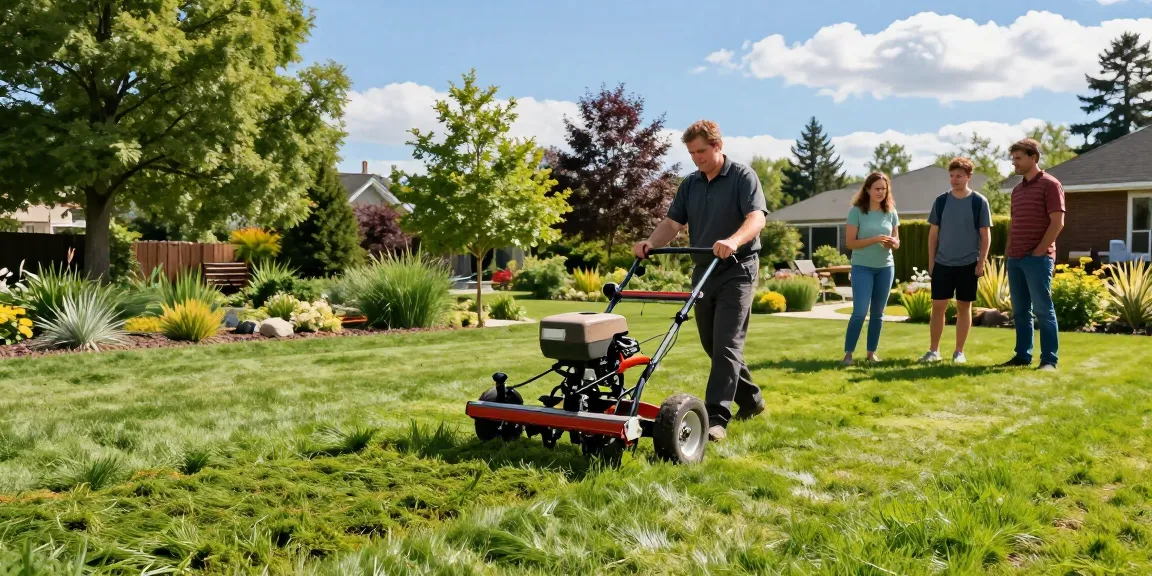
Understanding Slit Seeding in Ottawa
As homeowners in Ottawa seek to maintain vibrant and healthy lawns, they often encounter various seeding methods, among which slit seeding stands out. This innovative technique utilizes specialized machinery to create slits in the soil, providing an optimal environment for grass seeds to germinate. With the unique climate and soil conditions in Ottawa, understanding the intricacies of slit seeding can lead to a lush, green lawn that enhances the beauty of your home. When exploring options, slit seeding ottawa provides comprehensive insights into services available for effective lawn rejuvenation.
What is Slit Seeding?
Slit seeding, also known as slice seeding, is a lawn care technique that involves creating shallow furrows in the soil to facilitate the planting of grass seeds. A specialized machine called a slit seeder makes narrow vertical cuts, allowing seeds to be deposited directly into the soil. This method enhances seed-to-soil contact, significantly improving germination rates and establishing a stronger lawn compared to traditional broadcasting methods.
Benefits of Slit Seeding for Ottawa Homeowners
For homeowners in Ottawa, slit seeding offers numerous advantages:
- Improved Germination Rates: The direct placement of seeds into the soil promotes better germination, typically exceeding 90%.
- Enhanced Lawn Health: Slit seeding promotes denser grass growth, helping to combat weeds and pests.
- Cost-Effective: Compared to other lawn renovation methods, slit seeding is a budget-friendly option that can yield long-lasting results.
- Minimal Disruption: This method causes less disruption to existing grass, allowing for a quicker recovery.
Common Misconceptions About Slit Seeding
Several myths surround slit seeding that may deter homeowners from utilizing this beneficial technique:
- It’s Just for Damaged Lawns: Many believe slit seeding is only for lawns suffering from severe damage. In reality, it’s also great for enhancing healthy lawns.
- It Requires Extensive Preparation: While some preparation is necessary, slit seeding is less labor-intensive compared to other methods, such as sod installation.
- It Can Be Done Anytime: Although slit seeding can be performed year-round, the optimal times in Ottawa are early spring or early fall when temperatures are mild.
Cost Analysis of Slit Seeding Services
Typical Prices for Slit Seeding in Ottawa
Understanding the cost associated with slit seeding is vital for budgeting. In Ottawa, the average cost ranges from $0.08 to $0.18 per square foot, depending on several factors such as lawn size and condition. It’s essential to obtain quotes from multiple providers to gauge the market rate for your specific needs.
Factors Influencing Slit Seeding Costs
The following factors often impact the cost of slit seeding:
- Lawn Size: Larger areas will naturally incur higher costs due to the increased time and materials needed.
- Soil Condition: Poor soil may require additional amendments that can increase the overall cost.
- Provider Experience: Established companies with excellent reputations may charge premium rates for their services.
- Time of Year: Prices may fluctuate depending on the season, with high demand times potentially resulting in increased pricing.
Comparing Costs with Other Lawn Care Options
Slit seeding presents a cost-effective alternative to other lawn care options such as sodding or full lawn replacement. Here’s how it stacks up:
- Sodding: Typically costs $1.00 to $1.50 per square foot, making it significantly more expensive than slit seeding.
- Aeration and Overseeding: While this method is beneficial, it often does not achieve the same seed-to-soil contact that slit seeding offers, potentially leading to lower germination rates.
How to Choose a Slit Seeding Company
What to Look for in a Lawn Care Service
Choosing the right company for slit seeding can make a significant difference in results. Look for:
- Specialization: Companies that focus on lawn care and specifically on slit seeding will have the best techniques and equipment.
- Insurance and Certifications: Ensure the company has the appropriate insurance coverage and certifications to protect your property.
- Clear Contracts: A reputable company should provide clear terms regarding services, timelines, and costs.
Credentials and Experience of Lawn Care Professionals
Investigate the credentials of the lawn care professionals you are considering. Experienced technicians with a proven track record can ensure better results, as they are familiar with the unique challenges presented by Ottawa’s climate and soil conditions.
Customer Reviews and Testimonials
Reading customer reviews and testimonials can provide insight into a company’s reputation and quality of service. Look for feedback on:
- Overall quality of work
- Promptness and professionalism
- Customer service and satisfaction
Best Practices for Lawn Maintenance Post-Seeding
Watering and Fertilization After Slit Seeding
Post-seeding care is crucial for the successful establishment of your lawn. Key practices include:
- Watering: Keep the soil consistently moist but not soggy, watering lightly several times a day until the seeds germinate.
- Fertilization: Using a starter fertilizer can provide the necessary nutrients for young grass to establish itself effectively.
How to Monitor Lawn Health After Treatment
Monitoring your lawn’s health after slit seeding involves checking for signs of seed germination, soil moisture levels, and overall growth. Make adjustments to watering and fertilization as necessary to ensure optimal growth conditions.
Seasonal Lawn Care Tips for Ottawa Homeowners
To maintain a healthy lawn in Ottawa, consider the following seasonal care tips:
- Spring: Ensure adequate watering and apply a balanced fertilizer as grass begins to grow.
- Summer: Mow regularly and maintain watering schedules; consider using mulch to retain soil moisture.
- Fall: This is an excellent time for overseeding and preparing your lawn for winter.
- Winter: Limit foot traffic on dormant grass to prevent damage and allow it to recover in spring.
Future Trends in Lawn Care for 2026 and Beyond
Innovative Technologies in Lawn Seeding
As the lawn care industry evolves, several innovative technologies are set to transform lawn seeding practices:
- Smart Irrigation Systems: These systems optimize water usage based on weather conditions and soil moisture levels.
- Drone Technology: Drones could be used for precise monitoring and application of lawn care products.
Environmental Considerations for Lawn Care
As awareness about environmental sustainability grows, lawn care companies are integrating eco-friendly practices such as:
- Using organic fertilizers
- Employing integrated pest management techniques
- Implementing xeriscaping principles to reduce water usage
Emerging Trends in Home Gardening and Landscaping
Home gardening and landscaping trends are also shifting, with a focus on:
- Native plant landscaping to support local ecosystems
- Creating edible gardens, which combine aesthetics with productivity
- Utilizing sustainable materials for hardscaping
What should you do if your lawn doesn’t respond well?
If your lawn does not respond well to slit seeding, consider the following steps:
- Evaluate soil health; you may need to amend with compost or nutrients.
- Assess watering practices; over or under-watering can hinder growth.
- Consult with a professional for tailored solutions and additional treatments.
How does slit seeding compare to aeration?
While both slit seeding and aeration promote healthy lawns, they serve different purposes:
- Aeration: Primarily relieves soil compaction, enhancing root growth.
- Slit Seeding: Focuses on introducing new grass seed directly into the soil for optimal growth.
Are there eco-friendly options for lawn care?
Absolutely! Homeowners can opt for organic fertilizers, use natural pest control methods, and select native grass varieties that require less water and maintenance.
How often should slit seeding be done?
For most homeowners, performing slit seeding every 3-5 years is sufficient, depending on lawn health and wear.
What can homeowners do to prepare their lawns for slit seeding?
Preparation steps include:
- Mowing the grass to a shorter height to facilitate seed placement.
- Testing soil health to address nutrient deficiencies beforehand.
- Clearing debris and potential obstructions from the lawn.